Roundworms
Roundworms
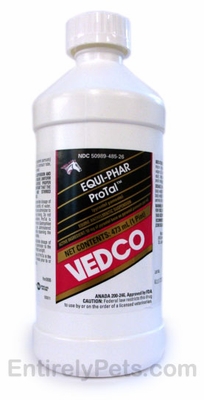
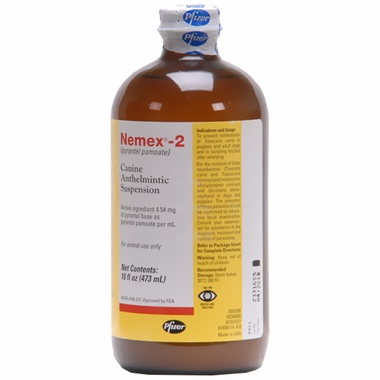
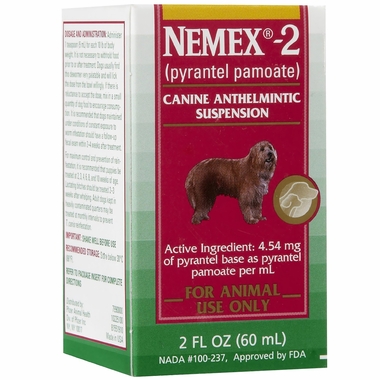
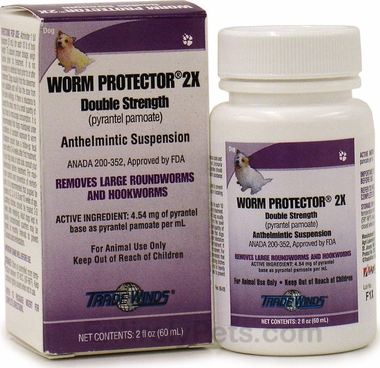
 What are roundworms? What are roundworms?Roundworms are live intestinal worms that live in the intestines and deprive their hosts of nutrients. On average they are about 3-5 inches. Roundworms, sometimes called ascarids, pass moderate numbers of microscopic eggs which are found in the pet's stool. Like hookworm eggs, they must be found with a microscope. They do not attach to the wall of the intestine, as do some worms. Instead, they are literally swim within the intestine. How are Roundworms are transmitted? Puppies/Kittens born to mothers that have had roundworms at any time in the past can transmit them to their litter before birth.  infective larvae. The larvae hatch out in the dog's stomach and small intestine and migrate through the muscle, liver, and lungs. After several weeks, the larvae make their way back to the intestine to mature. When these worms begin to reproduce, new eggs will pass in the pet's stool, and the life cycle of the parasite is completed. infective larvae. The larvae hatch out in the dog's stomach and small intestine and migrate through the muscle, liver, and lungs. After several weeks, the larvae make their way back to the intestine to mature. When these worms begin to reproduce, new eggs will pass in the pet's stool, and the life cycle of the parasite is completed.Signs of Roundworm Infection 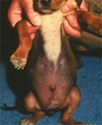 How are Roundworms treated?  Treatment is quite simple. Several very safe and effective drugs are available to kill roundworms in the intestine. Some of these drugs temporarily anesthetize the worms so that they pass out of the dog with a normal bowel movement. The live or dead worms are found in the stool. Because of their large size, they are easily seen. Treatment is quite simple. Several very safe and effective drugs are available to kill roundworms in the intestine. Some of these drugs temporarily anesthetize the worms so that they pass out of the dog with a normal bowel movement. The live or dead worms are found in the stool. Because of their large size, they are easily seen. Dewormers: Dewormers help remove parasites from your pet. It is important to give regular dewormer treatments to your dog and cats. It is recommended at least once every six months. We carry a great variety of effective deworming medications at low prices. We offer pet deworming products for Roundworms, Hookworms, Whipworms & Tapeworms. Buy worm treatment medicine and remove the worms in your pet with prescription and non-prescription pet medications. Shop for deworming products here
Are Roundworms a danger to me or my family? Roundworms can be a health risk for humans. The most common source of human infection is by ingesting eggs that have come from soil contaminated with cat (or dog) feces. As many as 10,000 cases of roundworm infection in humans have been reported in one year in the United States. Children, in particular, are at risk for health problems should they become infected. A variety of organs may be affected as the larvae migrate through the body. In suitable environments, the eggs may remain infective to humans and pets for years. What can be done to control Roundworm infection in dogs and to prevent human infection? | ||||||||||||